
Holiday Travel Chaos: U.S. Travelers U.S. Flight Nightmare
The 2025 holiday season has delivered an unprecedented wave of Holiday Travel Chaos. This is more than typical seasonal congestion; U.S. travelers, particularly those flying post-Thanksgiving, are reeling from a multi-front breakdown of the national air travel system.
With over 12,000 flight delays and 1,400 cancellations reported nationwide in a single peak travel day, the severity of this year’s disruption is stark. For millions planning Christmas and New Year’s trips, understanding the core causes is the first step toward a successful journey.
The Three Crisis Points Fueling the 2025 Chaos
The widespread flight instability isn’t just about high passenger volume. It’s a cascading failure driven by three critical, simultaneous issues:
- The Midwest Winter Storm Lockdown: A historic winter storm system paralyzed the Midwest and Great Lakes region. Major hubs like Chicago O’Hare (ORD), Detroit (DTW), and Boston (BOS) saw significant ground stops and runway closures due to heavy snow and ice. The impact was immediate: a massive backlog of aircraft and crew displacement that has now rippled across the entire country, affecting flight schedules in Florida and California days later.
- The Airbus A320 Grounding & Software Scare: Major airlines were simultaneously forced to contend with an emergency airworthiness directive. The Airbus A320 family (a foundational jet for many domestic carriers like United, American, and Delta) required a mandatory software update due to a critical flight-control issue. This temporary grounding pulled hundreds of necessary aircraft out of service during the peak rush, directly compounding the Holiday Travel Chaos by slashing available capacity.
- The Government Shutdown Ripple Effects: Lingering uncertainty from the prolonged government shutdown has stressed the system. Even with partial funding restored, staffing shortages among Air Traffic Controllers (ATC) and federal agency employees continue to mandate flight reductions at key airports, straining an already over-capacity infrastructure.
Your Immediate Action Plan
If you are traveling in December or early January, your preparation must be based on defense and flexibility.
- Book the First Flight Out (6 AM – 8 AM): Flights early in the day are statistically the least likely to be canceled as they are not affected by cascading delays from prior flights.
- Know the Weather-vs-Controllable Difference: If your flight is delayed due to the A320 issue or crew availability (controllable), demand compensation (hotel, meals) per DOT rules. If it’s weather (uncontrollable), immediately seek a non-airline solution.
- Pivot to Rail: Amtrak’s services, especially the high-volume Northeast Corridor (Boston to DC), are significantly less vulnerable to the heavy snow and ice affecting the airports. Book private roomettes if available.
- Carry-On Essentials: Assume your checked bag will be delayed. Pack medications, travel documents, and valuable electronics in your carry-on. Consider adding a GPS tracker (AirTag/Tile) to your luggage.
The bottom line: The 2025 Holiday Travel Chaos is a perfect storm of technical, weather, and infrastructure failures. Stay hyper-vigilant, monitor your flight status constantly, and be ready to execute an alternative transport plan.
What’s Driving the Surge in Delays and Cancellations?
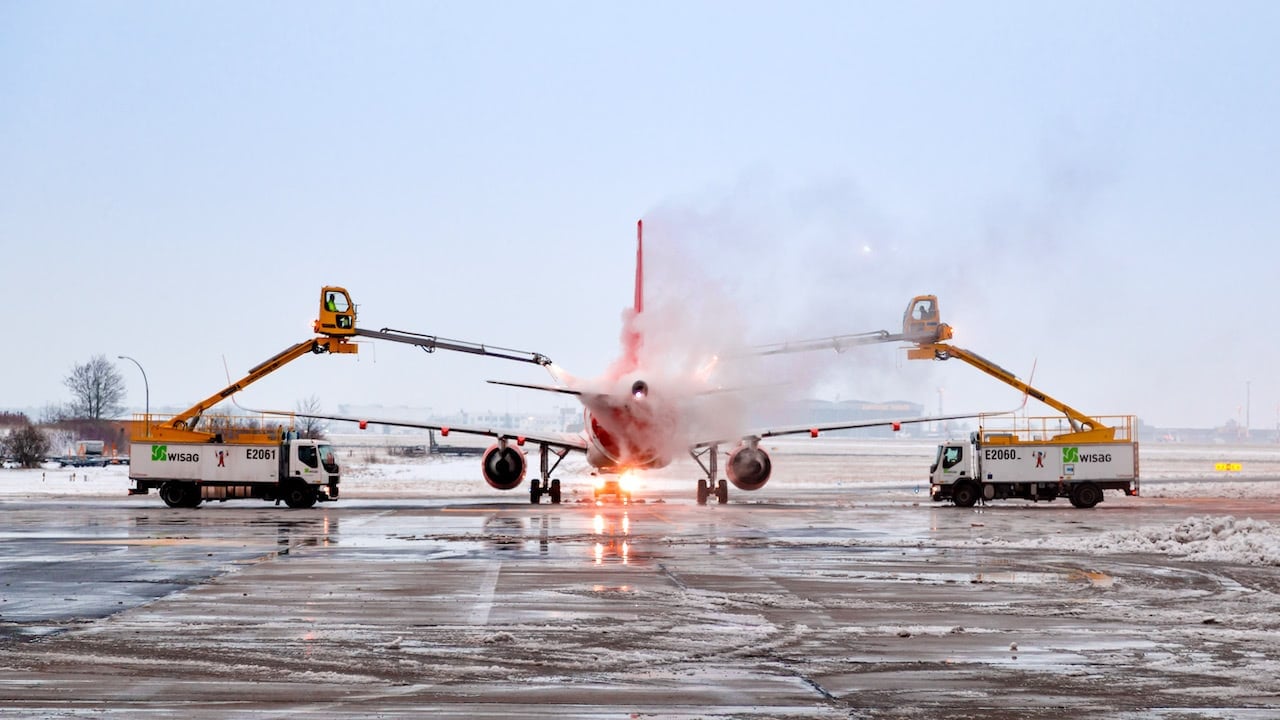
1. Severe Winter Weather in Critical Aviation Regions
Early winter snow and freezing precipitation have hit the Northeast and Midwest, affecting Chicago, Newark, Boston, and Denver. These conditions require mandatory de-icing and runway slowdowns, creating ripple effects across the national network.
2. Unprecedented Passenger Volume
According to data published by the Transportation Security Administration, several days this season marked record-breaking screening numbers, surpassing pre-pandemic levels. Even minor delays can escalate under such heavy traffic.
3. Technical Outages and Cybersecurity-Related Disruptions
Operational slowdowns linked to system failures or precautionary cyber measures have been reported at airports including Atlanta, Phoenix, Seattle, Charlotte, and Newark. These events interrupt check-in, baggage, and communication systems, forcing airlines to halt operations.
How Travelers Are Adapting to the New Holiday Travel Reality
As U.S. travelers face thousands of flight delays and hundreds of cancellations, passengers are increasingly turning to private car services for dependable ground transportation. Unlike rideshare platforms affected by surge pricing and limited availability, professional chauffeurs provide scheduled pickups, real-time flight monitoring, and safer navigation in adverse weather.
Private transportation has become particularly valuable for:
- Business travelers needing consistent scheduling
- Families requiring spacious vehicles for luggage and children
- Late-night arrivals when public transportation is limited
- Travelers rebooked last-minute due to cancellations
This shift reflects a broader trend toward seeking stability in a travel environment defined by unpredictability.
FAQS
What challenges are airports facing this season?
Airports are facing challenges such as increased passenger traffic leading to congestion, staffing shortages affecting operations, supply chain issues causing delays in services and maintenance, heightened security measures, and managing health protocols due to ongoing concerns about public health.
Which airports have been affected by outages or cybersecurity disruptions?
Los Angeles International Airport (LAX), New York’s John F. Kennedy International Airport (JFK), Chicago O’Hare International Airport (ORD), and Atlanta’s Hartsfield-Jackson International Airport (ATL) have experienced outages or cybersecurity disruptions.
What is the airline 2-hour rule?
The airline 2-hour rule refers to the U.S. Department of Transportation regulation that requires airlines to allow passengers to deplane after a flight has been delayed on the tarmac for more than two hours for domestic flights and more than four hours for international flights, with certain exceptions.
Which airports have experienced recent system outages?
Recent system outages have affected airports such as Los Angeles International Airport (LAX), Hartsfield-Jackson Atlanta International Airport (ATL), and Chicago O’Hare International Airport (ORD).
The Growing Reliability Gap Between Airlines and Ground Transportation

As the holiday season progresses, analysts are noting a widening reliability gap between air travel and ground transportation options. While U.S. travelers face thousands of flight delays and hundreds of cancellations, private ground transportation providers have maintained significantly higher on-time performance levels. This contrast has prompted many passengers to rethink the way they plan their airport arrivals and departures.
Several factors contribute to this reliability gap:
• Ground transportation is not affected by airspace restrictions
Weather may slow traffic, but it does not create the same cascading operational failures seen in the aviation network.
• Private car services operate with controlled scheduling
Unlike airlines juggling thousands of flights, service providers can maintain punctuality through precision planning and driver availability.
• Real-time route adjustments minimize delays
Professional chauffeurs can re-route around traffic incidents, construction zones, or road closures, maintaining predictability even when airports cannot.
• Stable pricing and guaranteed service windows
Travelers increasingly prefer the transparency of pre-scheduled transportation, especially when rideshare platforms surge during storms and peak hours.
As a result, many passengers now adjust their travel strategies by booking ground transportation first, then planning flights around their confirmed pickup or drop-off times. This shift highlights how essential reliable ground mobility has become during a season dominated by aviation disruptions.
Conclusion
With U.S. travelers facing thousands of flight delays and hundreds of cancellations, the 2025 holiday season underscores the vulnerability of today’s aviation network. Winter weather, system outages, and record passenger levels have strained airports nationwide, prompting many travelers to explore more reliable ground transportation options.
As disruptions continue, preparation, flexibility, and early planning remain essential for navigating the busiest travel months of the year.
By Avery Limousine Global
Connecticut’s leading luxury transportation provider for airport transfers, corporate black car service, wedding limousines, proms, cruise terminal rides, casinos, and special-occasion limo service across CT, NY, NJ and surrounding areas.